

『Isomag Flow Meter Catalog: Selecting Full-Bore and Insertion Electromagnetic Instruments for Hazardous Area Lines』Related information(clamp on meter|electromagnetic meter|venturi meterrotameter|orifice meter|ultrasonic flow meter|mass flow meter|coriolis mass flow meter|coriolis flow meter|magnetic flow meter|magmeter flow meter|magflow flow meter|mag meter flow meter|electromagnetic flow meter|vortex flow meter|turbine flow meter|thermal mass flow meter|thermal flow meter|rotameter flow meter)
Selecting Full-Bore and Insertion Electromagnetic Flow Meters for Hazardous Area Lines
Quick Answer: For hazardous area lines, choose a full-bore electromagnetic flow meter when pipe size is DN15 to DN300, accuracy must stay within ±0.5% of reading, and pressure loss cannot be tolerated. Choose an insertion electromagnetic flow meter for pipes above DN200 where budget is tight and a small accuracy drop is acceptable. Silver Automation Instruments supplies both types with ATEX and IECEx approvals, 4-20 mA HART output, and liners for chemicals, water, and oil.
Hazardous area flow metering is not a place for guesswork. A paint manufacturer in Southeast Asia learned this after a non-certified meter failed an audit on a solvent line. The replacement had to meet ATEX Zone 1, handle low conductivity fluid, and fit an existing DN80 pipe. That job needed a full-bore electromagnetic flow meter with PTFE liner and tantalum electrodes. Most engineers skip this part, but liner and electrode choice matters as much as the explosion proof rating.
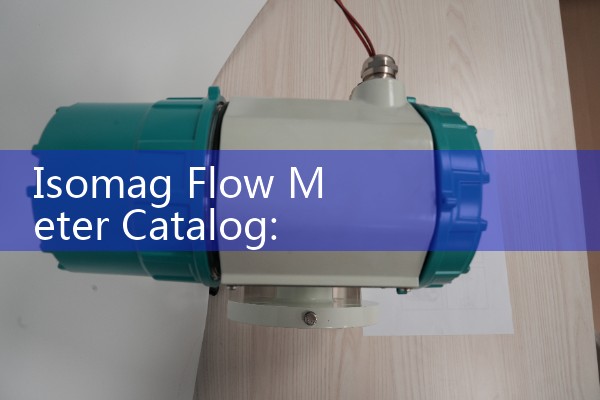
The Isomag flow meter catalog separates full-bore and insertion electromagnetic instruments by pipe size, accuracy, and installation cost. Full-bore meters sit inline. The flow passes through a metering tube. Insertion meters mount through a tap or saddle. A probe sits inside the flow stream. For hazardous areas, both types can be certified. The selection starts with pipe size and process data.
Full-Bore Electromagnetic Flow Meters for Hazardous Areas
Full-bore meters cover DN10 to DN300 in the Isomag catalog. Some larger sizes exist up to DN600. A full-bore meter has no moving parts. Pressure loss is very low. Accuracy can reach ±0.2% to ±0.5% of reading for liquids with conductivity above 5 µS/cm. This makes it the default choice for chemical dosing, solvent transfer, and custody transfer in oil and gas.
Liner material matters. PTFE and PFA handle aggressive acids and caustic streams up to 180 °C. Hard rubber liners cost less and work well in water and wastewater. Electrode material must match the fluid. Hastelloy C is common for seawater and weak acids. Tantalum works for hydrochloric acid and sulfuric acid. Platinum electrodes suit strong oxidizing flows. Silver Instruments asks for fluid name, concentration, temperature, and pressure before quoting a meter.
Hazardous area approvals include ATEX Ex db eb and Ex ia. Zone 1 requires flameproof or intrinsically safe circuits. Zone 2 allows non-sparking protection. Most Silver Instruments full-bore meters use a compact or remote design. The remote version places the transmitter outside the hazardous zone. This is common when process temperature exceeds 80 °C or vibration is high.
Insertion Electromagnetic Flow Meters for Hazardous Areas
Insertion meters are different. They do not measure the whole pipe cross section with a liner. A probe with electrodes inserts into the flow. The measured velocity is converted to flow rate using pipe inner diameter. Calibration is based on full pipe flow profile. Insertion meters fit large pipes from DN200 up to DN2000. They cost much less than a full-bore meter of the same size. Installation can happen through a hot tap while the line stays pressurized. This is a big advantage in water and wastewater plants.
Accuracy for insertion electromagnetic meters
Key Selection Data You Need to Send
Do not start with a model number. Start with process data. Pipe size in DN. Flow range in m³/h or kg/h. Pressure in bar. Temperature in °C. Fluid name and concentration. Conductivity in µS/cm. Hazardous zone classification. Installation type inline or insertion. Power supply and output. Most Silver Instruments hazardous area flow meters support 4-20 mA HART as standard. Modbus RTU and pulse are optional.
Here is the thing. A full-bore meter with the wrong liner will fail in weeks. An insertion meter with the wrong insertion length will read low by 20%. We have seen this on customer sites many times. Sending complete data to Silver Instruments avoids this. Our team checks the selection against the Isomag flow meter catalog and then confirms with the factory.
Tell us your pressure in bar, temperature in °C, pipe size in DN, and flow range. Send the fluid name and hazardous zone. Our team will reply with a recommended model, liner, electrode, and price. Contact Silver Instruments at Tel: +86-25-68650347 or Whatsapp: +86-25-52155837. WeChat users can add +86 15365082610.
FAQ
Q: What is the minimum conductivity for a full-bore electromagnetic flow meter in a hazardous area?
A: The minimum conductivity is usually 5 µS/cm. Some pulse DC meters can go lower, but 5 µS/cm is a safe limit for most water, acid, and caustic applications. For demineralized water or very low conductivity fluids, check with Silver Instruments before ordering.
Q: Can an insertion electromagnetic flow meter be installed without shutting down the line?
A: Yes, if the pipe has a hot tap fitting and the process pressure is within the tool rating. Many water and wastewater lines use hot tap insertion. A full-bore meter always requires a line shutdown or bypass.
Q: Which liner and electrode materials work with nitric acid in ATEX Zone 1?
A: For nitric acid, PTFE or PFA liner with platinum or tantalum electrodes works well. Silver Instruments can confirm based on acid concentration and temperature. Do not use hard rubber liner for strong oxidizing acids.
Q: What is the accuracy difference between full-bore and insertion electromagnetic flow meters?
A: Full-bore meters typically reach ±0.2% to ±0.5% of reading. Insertion meters are usually ±1.0% to ±2.0% of reading or full scale. Full-bore is better for custody transfer and chemical batch. Insertion works for cooling water and large lines.
Q: What hazardous area certifications do Silver Instruments electromagnetic flow meters carry?
A: Most units can be supplied with ATEX and IECEx certification for Zone 1 or Zone 2. Protection methods include flameproof Ex db and intrinsic safety Ex ia. Remote transmitters can be installed in safe areas. Silver Instruments provides copies of certificates with every quotation.
 Hot News
 Related AD