

『Oil Flow Meter PN40: Sizing High-Performance German Flanged Piping Loops』Related information(clamp on meter|electromagnetic meter|venturi meterrotameter|orifice meter|ultrasonic flow meter|mass flow meter|coriolis mass flow meter|coriolis flow meter|magnetic flow meter|magmeter flow meter|magflow flow meter|mag meter flow meter|electromagnetic flow meter|vortex flow meter|turbine flow meter|thermal mass flow meter|thermal flow meter|rotameter flow meter)
Oil Flow Meter PN40: Sizing High-Performance German Flanged Piping Loops
Quick Answer: A PN40 oil flow meter needs a flanged connection that matches EN 1091-1 drilling, a piping loop sized to keep the meter full at zero flow, and a meter technology that handles your real oil viscosity. Silver Instruments supplies oval gear, Coriolis, and turbine meters with German-standard flanges and ships them to Southeast Asia, the Middle East, and South America every week.
Engineers who specify fuel oil, lube oil, or heat transfer oil systems at 40 bar often overlook the piping loop geometry. They focus on the meter nominal size and forget that a poorly laid out loop can trap air, cause cavitation at the meter inlet, or create a dead leg that freezes in a cold start. We have seen this on a heavy fuel oil line at a power plant in Vietnam last year. The DN50 oval gear meter was sized right but the loop had no vent point. The meter bearing wiped after six weeks.
Why PN40 Matters in Oil Metering
PN40 is a pressure class from the DIN flange system, not an arbitrary label. It means the meter body and its flanges are rated for 40 bar at up to 120°C if the material is carbon steel, or a bit derated at higher temperatures. Most oil transfer lines run between 10 and 35 bar, so PN40 gives you a safe margin. In Indonesia and Nigeria we see many screw pump discharge lines that sit right around 30 bar during cold morning starts. A PN16 meter would be legal on paper but risky in operation. For that reason, nearly every oil batch system we quote for Middle Eastern refineries includes a PN40 oval gear or Coriolis meter as the base specification.
German Flanged Connections: The Standard You Can Trust
When a customer asks for a “German flanged” oil flow meter, they mean flanges drilled to DIN EN 1092-1 type 11 or type 05, with the raised face form B1 or B2. The bolt circle diameter for a DN25 PN40 flange, for example, is 85 mm with four M12 bolts. A DN50 PN40 flange uses an outer diameter of 165 mm and four M16 bolts. Our factory keeps stock of these flanges in carbon steel, 304 stainless, and 316L. Here’s the thing: many Asian and Latin American pipe fitters still use JIS or ANSI flanges, and they try to bolt a German-pattern meter onto an ANSI 300# flange. That mismatch leaks or breaks the gasket within the first pressure test. We always ship a pair of mating EN flanges with the meter so the installer does not improvise.
Sizing the Piping Loop to Keep the Meter Alive
A piping loop for an oil flow meter is not just a straight run. Because oil is not water. Most oils we handle in field service have viscosities from 5 cP (diesel) to 5000 cP (heavy bunker fuel). The loop must do two things: guarantee the meter stays flooded when the pump stops, and avoid air collecting at the top. We recommend a vertical upward flow through the meter for oval gear and Coriolis sensors. That way gas bubbles can rise and exit the meter naturally. For horizontal installations, install a small vent valve right at the meter inlet flange. Another detail most engineers skip: the loop bypass. For a PN40 line, install a full-size bypass with a globe valve, not a ball valve, because globe valves let you slowly preheat the meter before starting a hot oil pump. A palm oil refinery in Malaysia followed this exact layout and their Coriolis meter ran two years with zero zero
Recommended Meter Types for PN40 Oil Loops
Oval Gear Meters. Best for clean oils from 2 to 2000 cP, sizes DN10 to DN100. Our SOG series comes with PN40 flanges, PPS or aluminum rotors, and a pulse or 4 20 mA output. Accuracy is ±0.5% of reading. Use it for diesel, hydraulic oil, or vegetable oil metering. A customer in Chile runs six SOG-DN40 meters on a lubricant drumming line and gets repeatability within 0.1%.
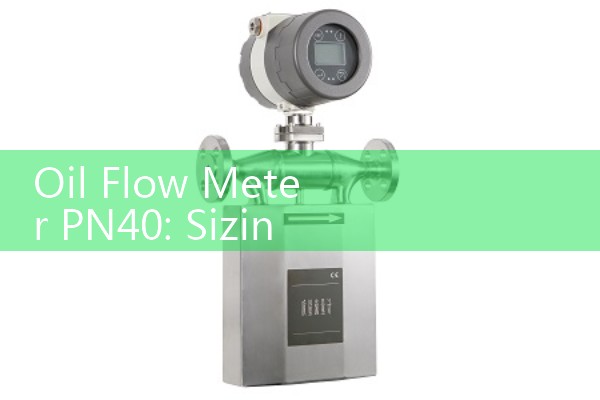
Coriolis Mass Flow Meters. If your oil changes density with temperature or if the recipe calls for mass balance, go Coriolis. Our SCE series handles up to PN40 (some models up to PN100) and measures mass flow, density, and temperature simultaneously. A typical line size is DN15 or DN25 for additive injection into a fuel blending skid. We have shipped these to chemical plants in Thailand where the oil base stock switches from mineral to synthetic every batch.
Turbine Flow Meters. For low-viscosity oils such as kerosene, jet fuel, or light diesel, a turbine meter with a PN40 flanged body works. Our STF series gives a fast response time. But watch the Reynolds number. If the oil viscosity edges above 10 cP, the K-factor starts to shift. So in practice, most turbine applications we support are on the clean, thin side of the oil spectrum.
Installation Details That Cost You Nothing but Save You Weeks
Always place your PN40 oil flow meter downstream of a 60-mesh strainer. We have seen waxy deposits or small metal chips from new pipes destroy an oval gear pair within the first hour. One more thing: for heavy oil services above 300 cP, heat trace the meter body and the adjacent pipe flanges to keep the oil mobile during shutdown. A food oil factory in the Philippines found that a 60 °C heat trace band eliminated the morning start-up drift they had been fighting for a year. And if your loop includes a flow control valve, put it downstream of the meter to keep back pressure stable and to stop cavitation at the meter exit.
FAQ
Which flange standard do you follow exactly?
We machine flanges per EN 1092-1 PN40, raised face, form B1. Other drill patterns available on request.
Can I use a PN40 meter with an existing ANSI 300# mating flange?
Not directly without an adapter. The bolt circle and number of bolts differ on some sizes. We can supply a transition flange.
What oil viscosity is too high for an oval gear meter?
Above 100,000 cP there is a risk of bearing overload. At that range we switch to a positive displacement screw meter or a heavy-duty oval gear with special clearances.
Do you ship these meters with calibration on real oil?
Yes. Every meter we build for oil service is calibrated on a master meter bench using a test fluid matched to your viscosity range. You get a five-point calibration certificate.
How do I request a quote for a complete PN40 flanged metering loop?
Send us your oil type, flow range in L/min or m³/h, viscosity in cP, operating temperature in °C, and pipe size DN. We will return a quotation with the meter, flanges, strainer, and recommended loop dimensions within one working day. Email your data directly to our industrial metering team.
 Hot News
 Related AD