

『Accurate Water Flow Meter: Precision infrastructure submetering systems.』Related information(clamp on meter|electromagnetic meter|venturi meterrotameter|orifice meter|ultrasonic flow meter|mass flow meter|coriolis mass flow meter|coriolis flow meter|magnetic flow meter|magmeter flow meter|magflow flow meter|mag meter flow meter|electromagnetic flow meter|vortex flow meter|turbine flow meter|thermal mass flow meter|thermal flow meter|rotameter flow meter)
Accurate Water Flow Meter: Precision Infrastructure Submetering Systems
Quick Answer: For infrastructure submetering, an electromagnetic flow meter is the most accurate choice for water and wastewater lines from DN15 to DN1200. Silver Instruments supplies electromagnetic and clamp-on ultrasonic water flow meters with 4-20 mA HART, pulse output, RS485 Modbus RTU, and optional battery power. Send pipe size, flow range, water type, pressure in bar, and temperature to get a recommended model and price.
What Infrastructure Submetering Needs From a Water Flow Meter
Accurate water flow meter data is the basis of precision infrastructure submetering systems. A submeter splits the main water flow into measurable zones. It can be one floor in a building, one cooling tower, one desalination train, or one irrigation block. The meter must be stable at low night flow. It must also hold up under wet conditions. Accuracy matters because the data is used for cost allocation, leak detection, and peak demand charges.
Most engineers start with three questions. What is the pipe size? What is the minimum and maximum flow? What signal does the control system need? We have seen many sites over the years. The failure usually comes from picking a meter that is too large for the real flow range. A DN100 pipe does not always mean a DN100 meter. You size the meter to the flow velocity, not the pipe schedule.
Meter Selection by Water Type and Pipe Size
Electromagnetic flow meters are the standard for potable water and wastewater submetering. They need a minimum conductivity of 5 µS/cm. Drinking water usually measures between 100 and 800 µS/cm. That is enough. The meter has no moving parts. It does not create pressure drop. Accuracy is typically 0.5 percent of reading and can be 0.2 percent with factory calibration. You can get compact or remote versions. For flooded pits, choose an IP68 remote sensor.
For temporary metering or existing pipes where cutting is not allowed, use a clamp-on ultrasonic flow meter. It straps onto the outside of the pipe. It works on DN25 to DN3000 lines. It is good for clean water, cooling water, and some process water. It is not ideal for heavy solids or large air bubbles. In practice, clamp-on meters are fast to install and easy to remove for verification.
For desalination brine lines or chemical dosing, request a PTFE or PFA liner with tantalum or Hastelloy C electrodes. For drinking water, EPDM liner and 316L electrodes are enough. For wastewater, a hard rubber liner can handle small solids and abrasive particles. We have supplied all of these to water utilities in the Philippines, district cooling plants in Saudi Arabia, and food processors in Mexico.
Last year a customer in Vietnam asked us to meter cooling tower makeup water on a DN150 line. The flow range was 15 to 180 m3/h. We supplied an electromagnetic flow meter with hard rubber liner and 316L electrodes. The meter sends 4-20 mA HART to a PLC.
Output Signals and Data Integration
A flow meter is only useful if the data reaches the building management system or PLC. Silver Instruments water flow meters support 4-20 mA HART, pulse output, and RS485 Modbus RTU. Many submetering networks use RS485 because it allows many meters on one bus. Battery powered versions can send data through NB-IoT or LoRa for remote vaults and pump stations. That avoids running signal cable.
Here is a common setup. A commercial building in the Middle East needed 18 meters across retail units. Each meter was a DN40 electromagnetic type with pulse output and RS485. The pulses went to local displays. The RS485 went to a central data logger. This gave each tenant a daily volume total. The project saved money because the meters were sized for actual flow, not the incoming main size.
Installation Conditions That Decide Accuracy
Straight run is one factor. An electromagnetic flow meter normall
Temperature and pressure also matter. Standard water meters handle 0 to 70 °C and PN16 or ANSI 150 class. For hot water above 70 °C, specify PTFE liner and a remote transmitter. For high pressure lines up to PN40, confirm the flange rating. We can supply end connections in wafer, flange, or tri-clamp styles. Threaded versions are available for small DN15 to DN25 lines.
We have seen installations in pumping stations with flooded pits. The customer bought an IP68 remote sensor and mounted the transmitter at eye level. That solved a long term maintenance issue. The sensor stayed under water with no failure. This is a simple detail, but it changes the total cost of ownership.
Recommended Flow Meter Models for Submetering
For DN15 to DN50 branch lines, use our compact electromagnetic flow meter with 0.5 percent accuracy, pulse output, and 4-20 mA. It works for tenant metering, small filter skids, and cooling tower makeup. For DN65 to DN300 potable water mains, use the flanged electromagnetic flow meter with EPDM liner and 316L electrodes. It handles flow from 0.2 m/s to 10 m/s. Accuracy stays within 0.5 percent of reading.
For existing pipes that cannot be cut, use our clamp-on ultrasonic flow meter. It covers DN25 to DN3000. It is available with a handheld display or a fixed transmitter. For remote sites without power, request the battery-powered electromagnetic flow meter with NB-IoT. Battery life can reach 3 to 5 years depending on the reporting interval.
We do not push one meter for every application. The right choice depends on water quality, pipe material, flow range, and data output. If you are not sure, send us the details. We will match the meter to the job.
How to Send a Quote Request
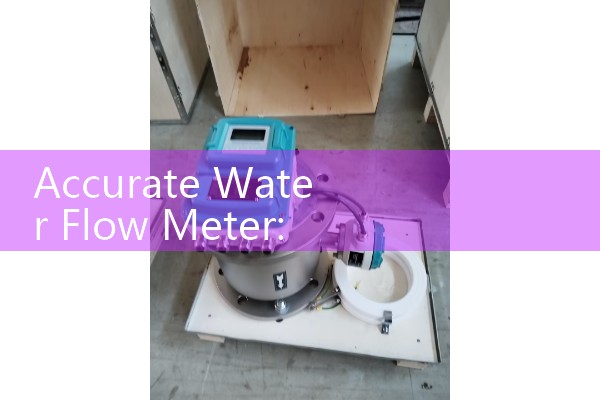
Send us the following details: pipe size in DN, flow range in m3/h, water type, pressure in bar, temperature in Celsius, and the required output signal. If you have a photo of the installation, send that too. We will reply with a recommended model, technical data sheet, and price. Silver Automation Instruments serves customers in Southeast Asia, Oceania, Latin America, Africa, and the Middle East.
You can reach us at Tel: +86-135-1213-1526, WhatsApp: 86-135-12131526, or WeChat: +86 13512131526. Our website is flow-meter.com.au. We respond to quote requests within 24 hours on business days.
FAQ
Question: What flow meter is best for drinking water submetering?
Answer: Use an electromagnetic flow meter with EPDM liner and 316L electrodes. It covers DN15 to DN1200 and works when conductivity is above 5 µS/cm. Accuracy is 0.5 percent of reading with pulse and 4-20 mA HART outputs.
Question: Can I meter an existing pipe without cutting it?
Answer: Yes. Use a clamp-on ultrasonic flow meter. It mounts on the outside of the pipe and supports DN25 to DN3000. It works for clean water and cooling water with low solids.
Question: What output signals work with a building management system?
Answer: 4-20 mA HART, pulse output, and RS485 Modbus RTU are common. Battery-powered meters can also send data over NB-IoT or LoRa for remote monitoring.
Question: How do I meter low night flow in a commercial building?
Answer: Choose a meter with a wide turndown ratio. An electromagnetic meter with 0.2 percent accuracy can track low night flow. Size it for the minimum flow, not only the peak flow.
Question: What do you need for a quote?
Answer: Send pipe size in DN, flow range in m3/h, water type, pressure in bar, temperature in Celsius, and required output. A photo of the installation helps us select the right materials and mounting.
 Hot Blog
 Related AD